Designing a discovery platform that PRIORITIZES trust, accessibility, and intentional support for minority owned businesses
What is locally
Yours?
A mobile application concept designed to improve how intentional consumers discover and support minority owned businesses in the United States.
The platform reframes business discovery as a user experience problem centered around visibility, trust, accessibility, and owner-controlled representation.
Unlike traditional platforms that prioritizes popularity based algorithms, LocallyYours focuses on verified business information, accessibility, ethical discovery, and community centered-engagement.


The challenge
Consumers who intentionally want to support minority owned businesses often rely on fragmented systems like Google Maps, Yelp, Instagram, TikTok and word-of-mouth to verify information.
Many small business owners struggle with visibility, platform management, inaccurate business information, and algorithmic limitations that make discovery feel inconsistent and inequitable.
This creates friction for both consumers and business owners:
Consumers experience decision fatigue and low trust.
Business owners carry the burden of visibility.
Important information is often outdated or difficult to verify.
Discovery is influenced more by algorithms than user intention.
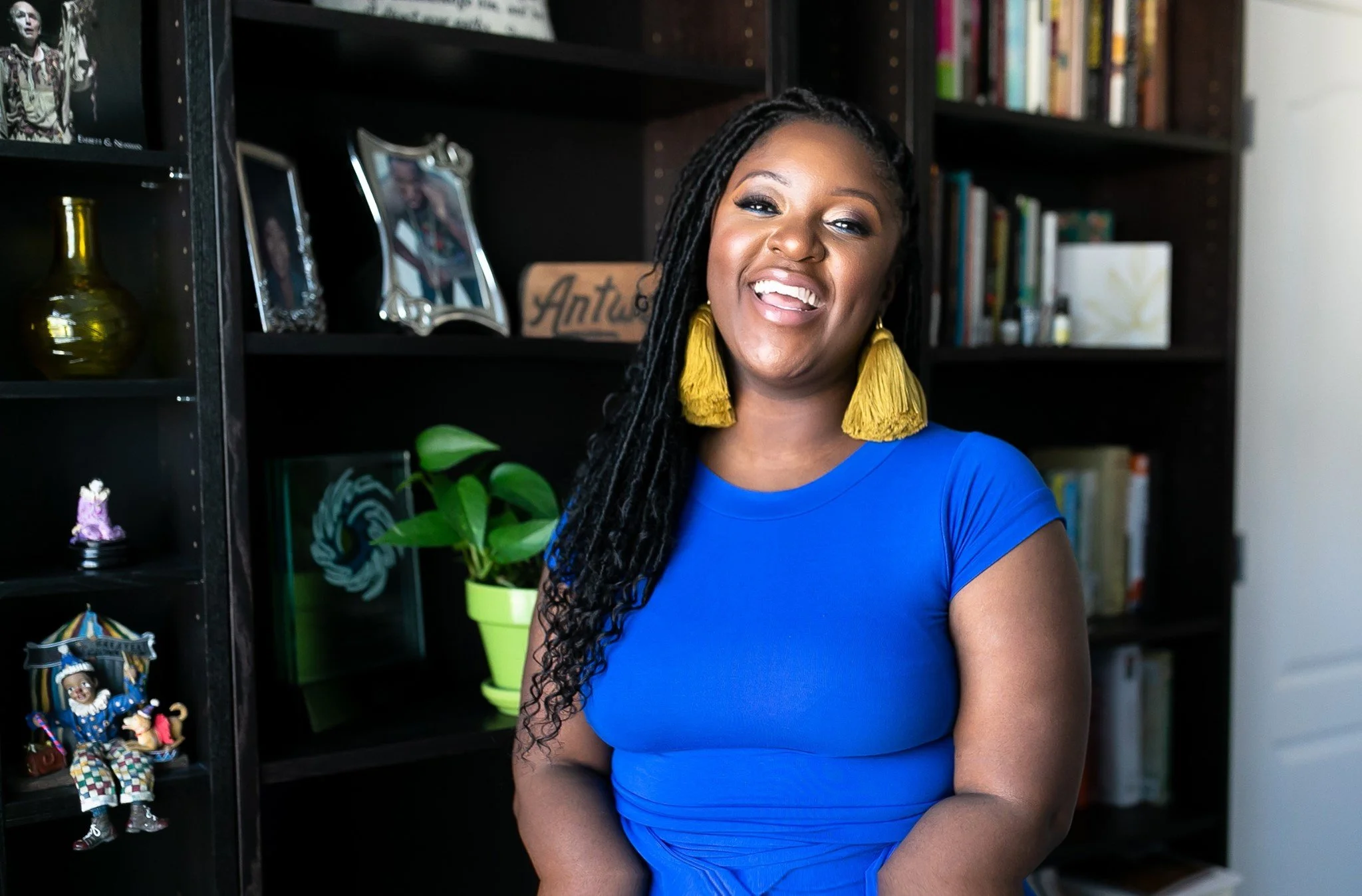
The Mind Behind The Design - Brandi JohnsonThe GOAL
Design a mobile experience that:
Simplifies intentional business discovery.
Prioritizes owner-provided information.
Reduces cognitive load during search and verification.
Supports accessibility and inclusive discovery.
Gives business owners more control over their digital representation.
Research & DIscovery
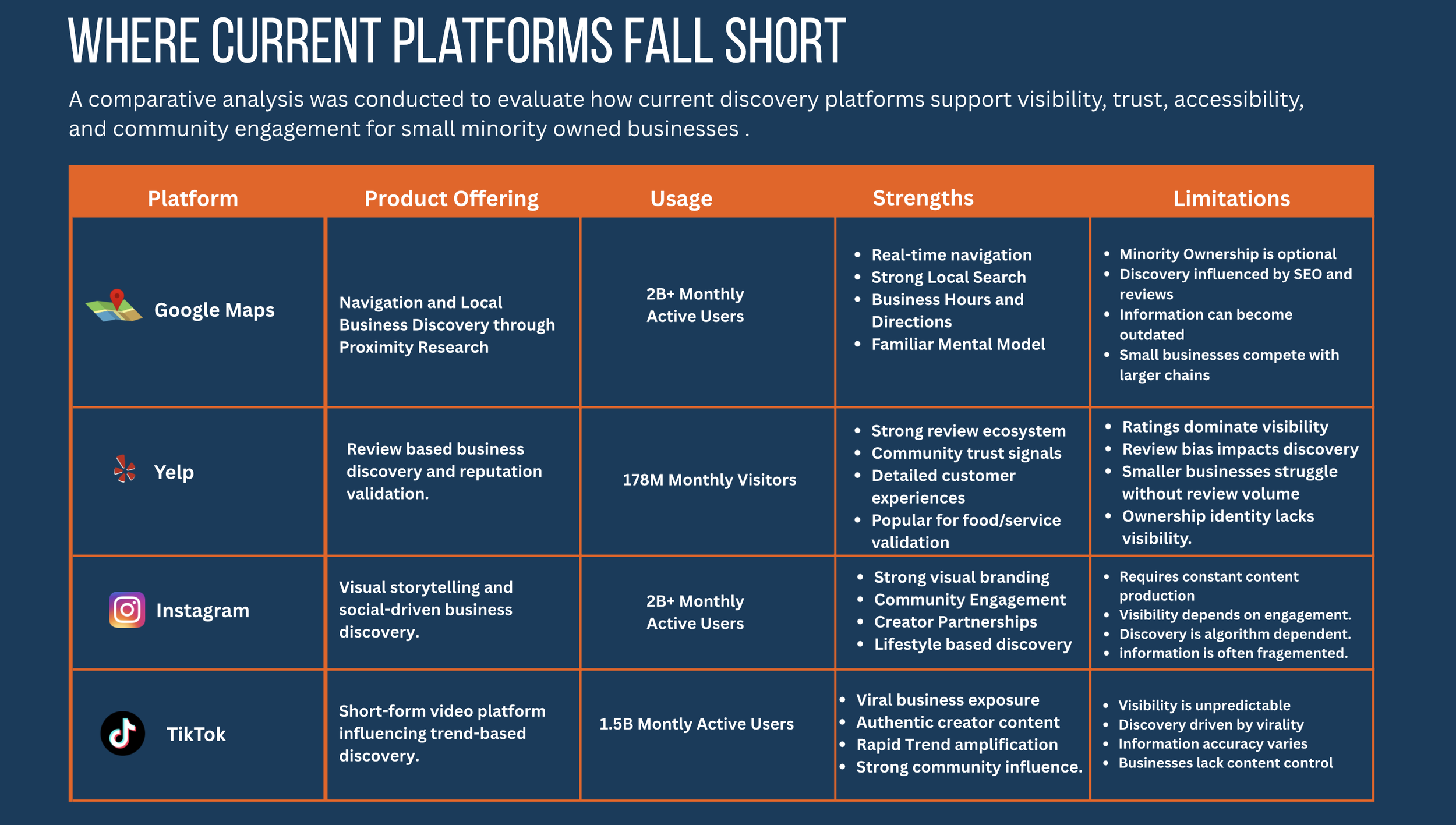
To better understand the problem space, I conducted a mixed method research process that included:
Comparative Analysis
Desk Research
6 Semi-Structured Interviews
Survey Research (17 Participants)
Thematic Coding
Usability Testing
key data points
3.1M+ minority owned businesses exist in the united states

Consumers cross-reference multiple platforms before making DECISIONS

Trust is heavily tied to accurate information
The key findings
VISIBILITY FEELS UNPREDICTABLE & UNFAIR
1
Discovery systems prioritize popularity and engagement over equitable visibility. 63.4% of respondents cited algorithms pushing the same popular places as a primary frustration.“You’re not seeing the organic reach like you used to.” Minority Owned Business Owner 1
trust breaks when information feels inaccurate
2
Users cross-check multiple platforms because information often feels outdated or unreliable. 57.1% cited outdated information as a major frustration.“My biggest pet peeve is clicking on a place and the website is not available or up.”
Intentional Consumer 1
Consumers want to support - but it feels too hard
3
Consumers want to support intentionally, but ownership verification creates too much friction. Most users relied on 2-3 platforms to confirm ownership before making the decision.“Staying visible should not feel exhausting.” Minority Owned Business Owner 2
Creators are limited by the platforms they rely on
4
Creators rely on engagement-driven systems that make intentional discovery difficult. 66.7% use Instagram/TikTok to find businesses.“If I had access to the right businesses with the right information, I could feature anyone.” Content Creator 1
Small Business owners carry the visibility burden
5
Managing visibility across platforms creates operational and emotional strain. Owners described visibility maintenance as unpaid digital labor. “I can run my business, or I can constantly feed the algorithm - it feels impossible to do both.” Content Creator 2
“Design is never neutral”



—Sasha Costanza-Chock (Design Justice)
The process
The design process for LocallyYours began with identifying a gap in how users intentionally discover and support minority-owned businesses online. I explored how visibility, accessibility, trust, and business representation are currently shaped by fragmented platforms and algorithm-driven systems.
The project moved through several iterative phases including research, competitive analysis, user interviews, journey mapping, wireframing, usability testing, and high-fidelity prototyping. Throughout the process, I continuously refined the experience based on user feedback, behavioral patterns, and accessibility considerations.
The final product evolved into a mobile experience focused on intentional discovery, owner-controlled information, and simplified decision-making.
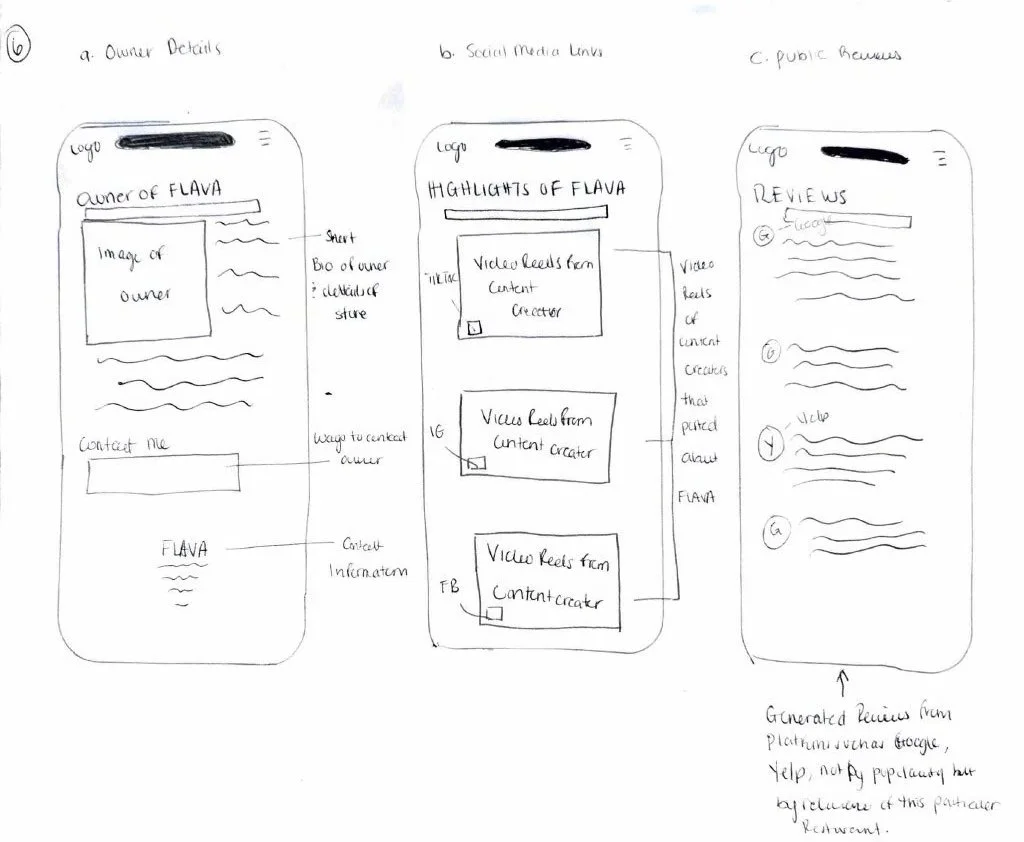
Sketch Image of Discovery Platform on LocallyYours
The ideation phase focused on exploring how discovery could feel more intentional, transparent, and community-centered.
Methods included:
Low-fidelity sketching
Sticky note brainstorming
Affinity mapping
User flow mapping
Whiteboard ideation
Crazy 8’s exploration
Rapid wireframe iteration in Figma
During this phase, I explored different ways users could search for businesses, interact with community content, and verify trust before making decisions. I also explored how accessibility features and owner controls could become integrated directly into discovery rather than existing as secondary features.
Visual ideation focused heavily on reducing cognitive overload while maintaining warmth, trust, and inclusivity throughout the interface.
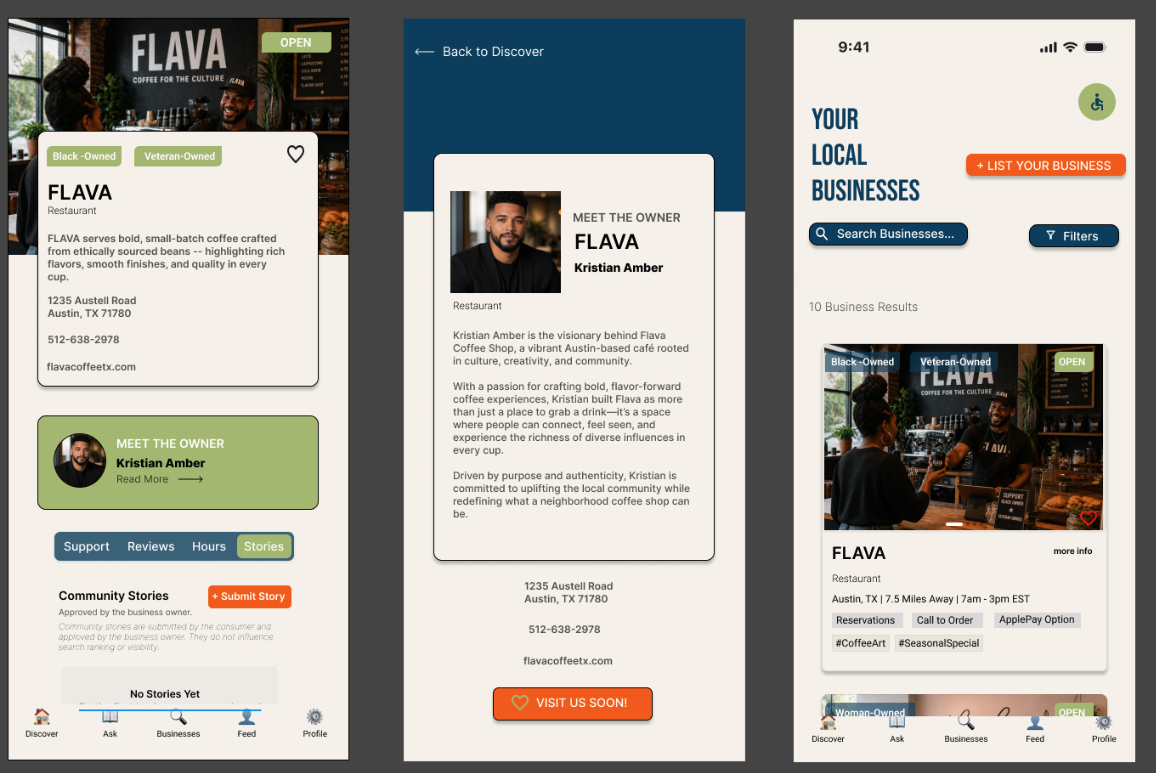
High-Fidelity Screenshot of Business Owner Profile on LocallyYoursUsability Test Findings
Users naturally relied on filters first
Participants preferred predictable browsing before AI interaction.
Accessibility features increased trust
Users positively responded to visible accommodations and inclusive options.
Business logistics were highly valued
Hours, parking, and reviews strongly influenced decision-making.
Simplicity improved usability
Participants appreciated the clean and focused interface.

The target audience
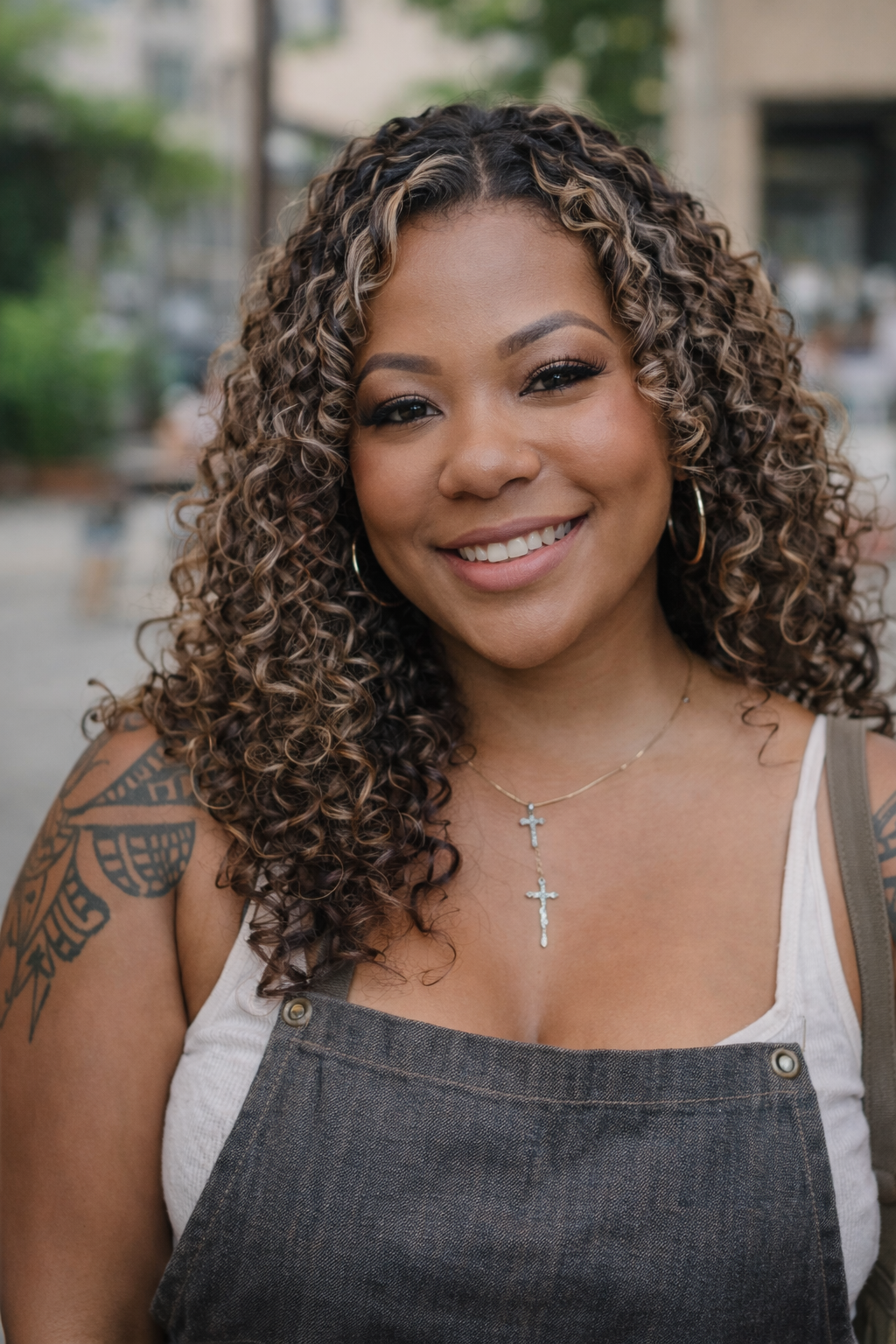
The Intentional Consumer
“Hi I’m Demi! I live in Austin, Texas and friend of mine wants to visit me. I’m trying to find a Black-owned coffee shop to support while she’s here. But honestly, it takes too much work searching through Google, Instagram, TikTok, and reviews just to find trustworthy information. I want a simpler way to intentionally discover businesses that align with my values."

The Content Creator
“Hey world! I’m Aaliyah. I love highlighting businesses in my community and putting people onto places they may have never discovered otherwise. Creating content feels meaningful when it helps small businesses gain visibility and support. One day, I’d love to build real brand partnerships with businesses that genuinely align with my values and community.”
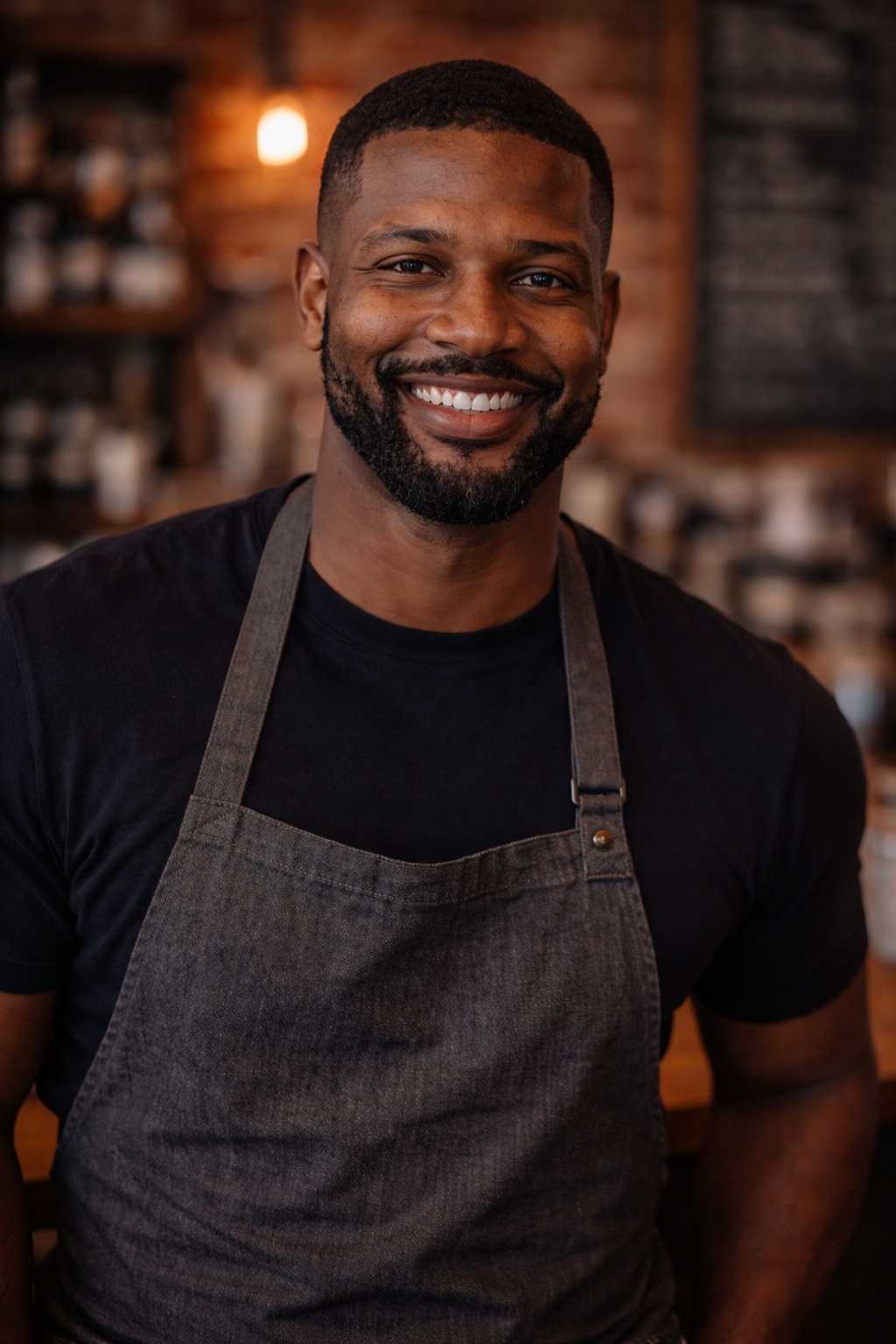
The Minority Owned Business Owner
'I'm Kiyan. I’ve always grown my business organically through community and word of mouth, and that’s what makes it special to me. But keeping up with social media every day can feel exhausting, even though I know visibility online matters now. I want my business to be discovered authentically without feeling pressured to constantly perform for algorithms."
My target audience are intentional consumers, minority owned business owners, and content creators. LocallyYours is designed around the three interconnected groups. For those that want to discover businesses aligned with their community and values. Business Owners that desire greater control over how their businesses, stories, and communities are represented online. Creators who amplify authentic local experiences while building meaningful partnerships with businesses and communities.
All interviewed participants were within the age range of 20-65 and identified as either an intentional consumer, business owner, and/or content creator.
the Concept evolution
Before arriving at the final concept, I explored several different directions for the platform experience.
Early concepts leaned more heavily into:
Social community engagement
AI-first discovery
Content creator integration
Community feeds and trending activity
However, user research revealed that participants prioritized predictability, trust, and practical information over socially driven engagement systems.
As a result, the concept evolved away from a socially dominant experience and toward a logistics-first discovery platform centered around:
Accessibility
Transparency
Intentional filtering
Owner-controlled information
Simplified navigation
The final concept was selected because it best aligned with both user needs and the ethical goals of the project.
THE VISUAL DESIGN
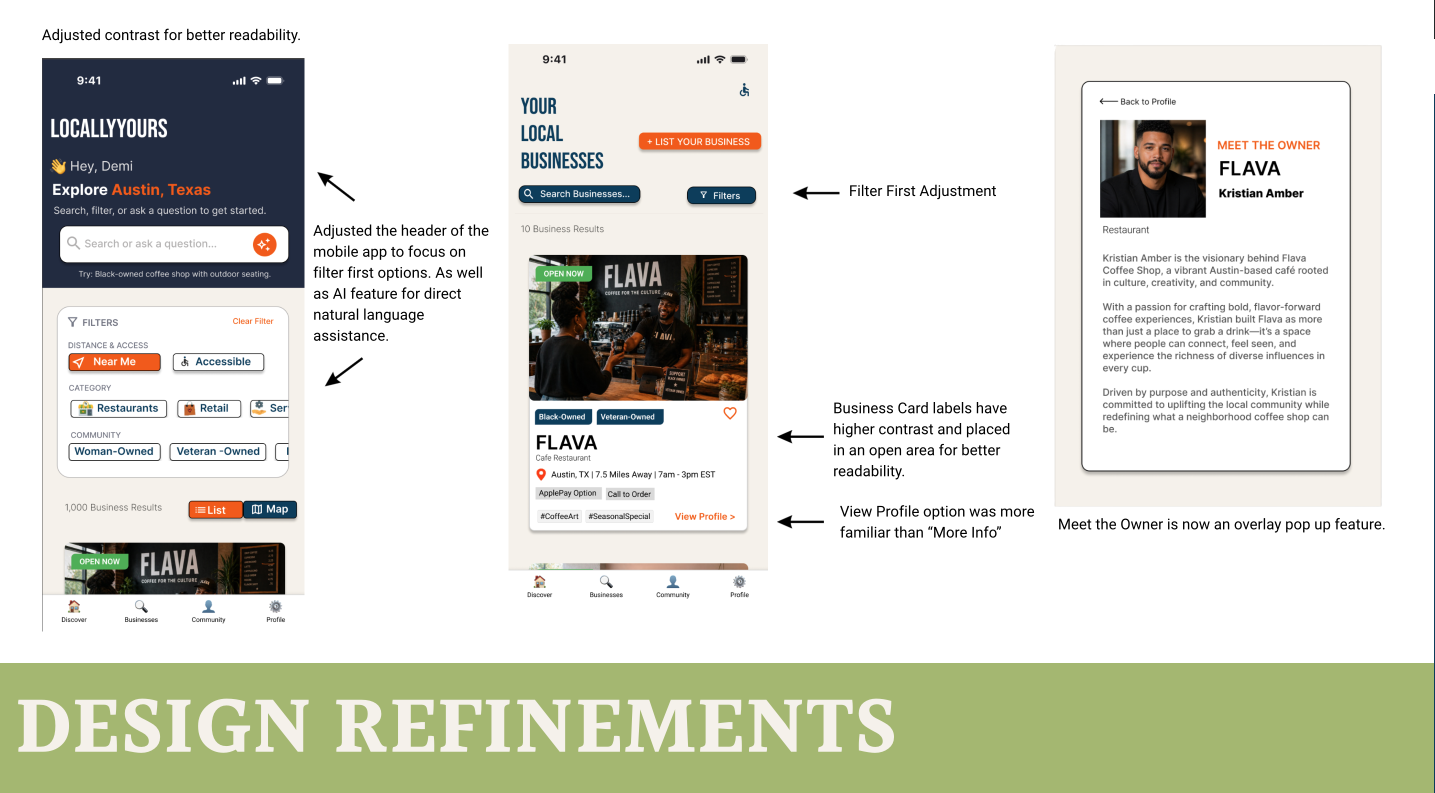
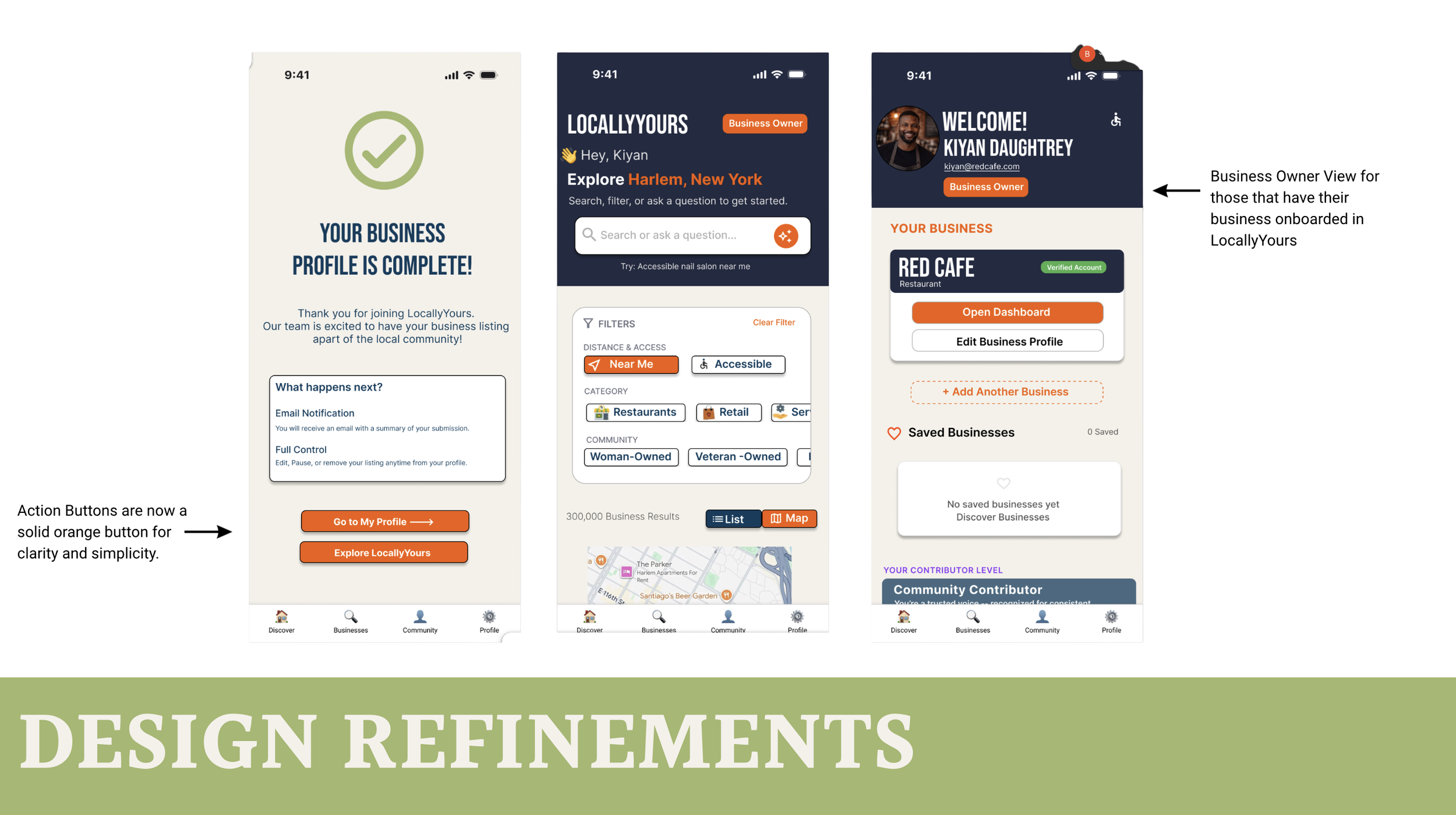
Through iteration and testing, I refined the visual language into a cleaner and more focused interface that emphasized:
Readability
Cognitive simplicity
Accessibility visibility
Clear hierarchy
Warm but trustworthy branding
The final design system used:
Low-fidelity sketches
Mid-fidelity wireframes
High-fidelity prototypes
Iterative usability feedback
Brand colors and typography were intentionally selected to balance professionalism, warmth, and approachability.